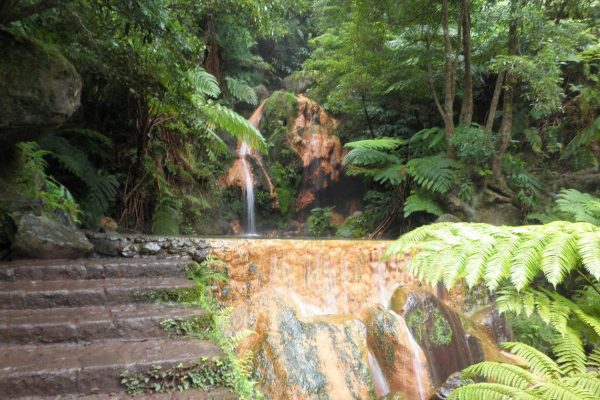
L’archipel est l’une des destinations les plus isolées au monde, avec des sources chaudes naturelles bouillonnantes, des récifs, des lacs et des tunnels de lave. On y trouve plusieurs plages de sable noir dramatiques ainsi que la plus grande réserve marine protégée d’Europe (2024), couvrant la zone intertidale autour des îles jusqu’aux plaines abyssales, abritant des coraux des grandes profondeurs, plus de 450 (!) espèces de poissons issues de plus de 140 familles, des requins, des tortues, des baleines et des dauphins. En bref, une zone de grande biodiversité marine, orientée autour du volcanisme.

“This part of the Atlantic Ocean, with its rich fishing grounds, offers dolphins and whales a nutritious environment and a protected place where the animals can give birth to their young close to the island slopes.”
Until the ban in 1987, commercial whaling still existed on Pico. Since then, whales and dolphins have grown in importance primarily as tourist attractions. Part of its history is preserved in the port town of São Roque as a whale museum. The original wooden boats are now used for regattas, which anyone can participate in.
The season with the best chance of spotting whales is between May and October, especially around Faial and Pico. This part of the Atlantic Ocean, with its rich fishing grounds, offers dolphins and whales a nutritious environment and a protected place where the animals can give birth to their young close to the island slopes. Altogether, as many as 25 species occur. Scientific research is also conducted on the islands, including into risso dolphins and porpoises (related to the beluga and narwhal).
There are also many species of (mainly migratory) birds, more than 30 of which use the archipelago as a nesting place, both around the coast and cliffs as well as in the laurel forests further inland.
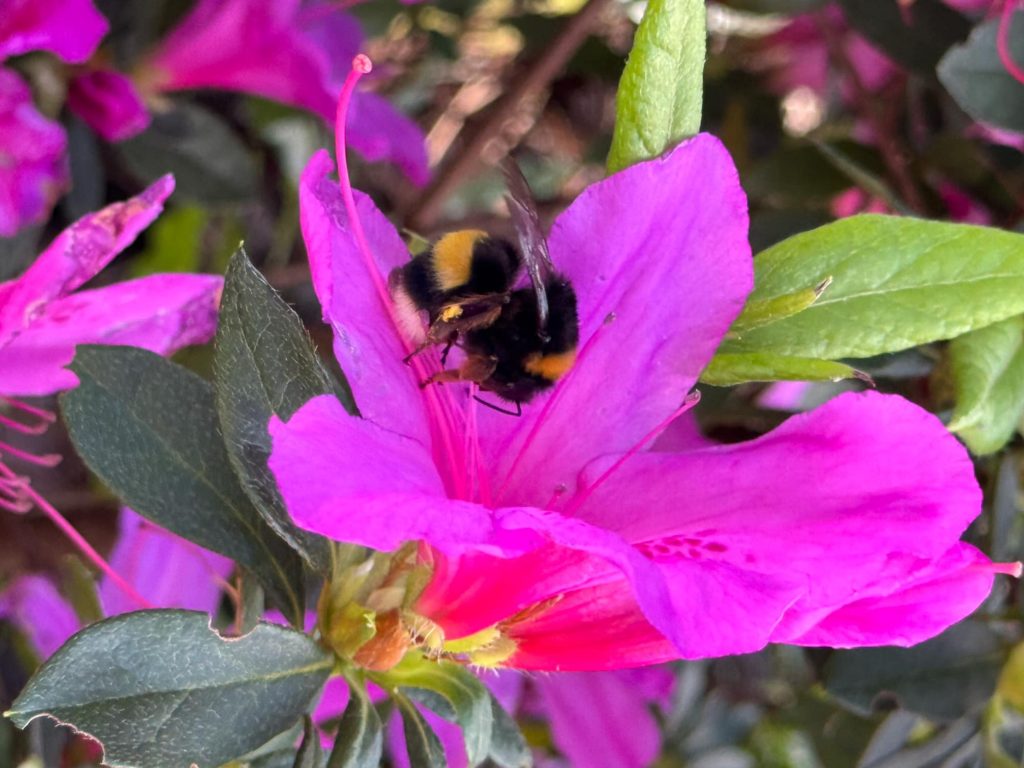
And perhaps somewhat less appealing to the imagination to most, there are also all sorts of really extraordinary other wild life to be found, including various mollusks (Gastropoda) and crustaceans (Crustacea), insects such as arachnids (Arachnida) and centipedes (Chilopoda).